
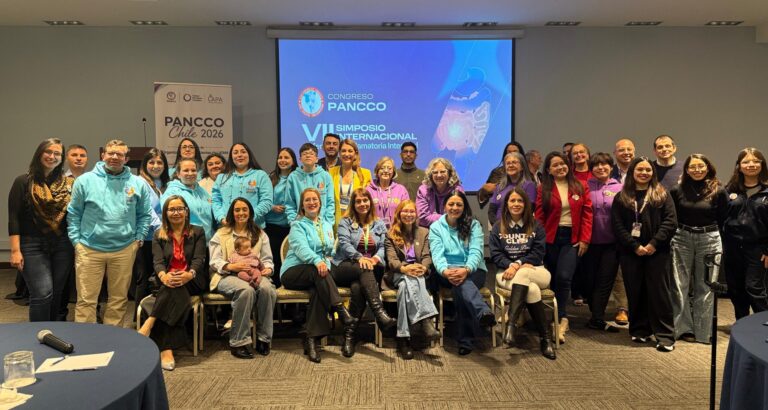
This month, The Global Remission Coalition, Latin American Patients Academy and Pan-American Crohn’s and Colitis Organization hosted a meeting in Santiago, to address the rising rates of inflammatory bowel disease, or IBD, across Latin America. Patient advocates, physician experts and regional stakeholders from six countries came together with a shared goal: to improve IBD patient outcomes by strengthening access to specialized treatment and the pursuit of remission.
The Burden & Barriers to Care
Clinicians across Latin America once considered IBD rare. Registry data from Chile and Brazil now point to steadily rising prevalence, and physician experts characterized the disease as a pressing public health priority for the region.
For most patients, the path to remission remains fragmented. Diagnostic delays stretch on for years in some regions, and patients often visit emergency departments before anyone names their condition. Few formal training programs for IBD specialists exist, leaving patients with too few clinicians to see. Because symptoms can be stigmatizing, patients may also hesitate to discuss their condition or seek care.
Meeting participants highlighted the challenges that clinicians and patients face in seeking and administering care. Administrative hurdles with prior authorization and step therapy interfere with clinically based decision-making and access to innovative therapies.
Patient-Centered Remission
The absence of an active flare does not mean the absence of burden. Patients who describe themselves as being in remission still report constant worry about the next flare, and many say their lives remain heavily affected. That gap drove the meeting’s central theme: a shift from a narrow clinical view of remission toward an integral framework grounded in shared decision-making, patient empowerment and sound public policy.
Pathways Forward
Advocates pointed to several priorities:
- Run public awareness campaigns, like Costa Rica’s “Escucha tu Panza” or “Listen to Your Gut,” that help patients recognize symptoms early and raise them with a clinician.
- Educate primary care providers to accelerate referrals and standardize clinical protocols that support early identification of IBD.
- Strengthen patient registries and real-world evidence to clarify the true disease burden and support funding decisions.
- Expand telemedicine and other innovative treatment tools to reach patients in rural and remote areas.
- Unite smaller organizations under shared regional frameworks and focus limited resources on a few high-priority objectives.
- Replicate local wins, like how one Chilean region certified the country’s first specialized public IBD hospital and secured local funding for newer, non-covered therapies.
Looking Ahead
Meeting participants left Santiago committed to helping more patients across Latin America reach and sustain remission. That means shortening the road to diagnosis, training more IBD specialists, clearing the administrative hurdles that delay effective therapy and defining remission as patients themselves experience it. Advocates will arm policymakers, payers and clinicians with registry data and real-world evidence that show what remission is worth, so the region’s health systems invest in reaching it.
To learn more about the event, read the meeting report.
 papers
 news
news